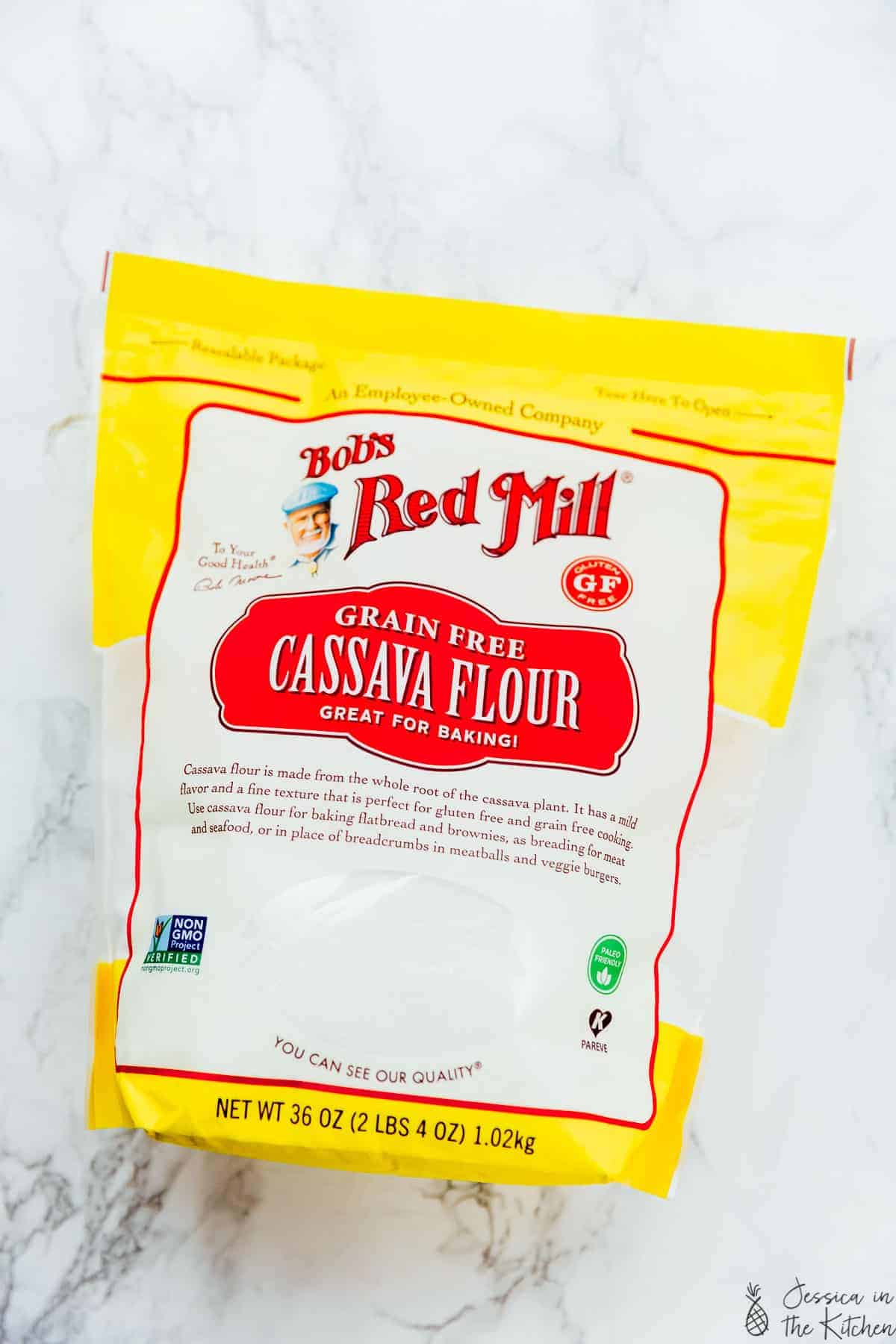
There are so many options when it comes to gluten-free flour, from almond to coconut and measure-for-measure all-purpose blends. One lesser-known flour worth stocking in your pantry is cassava flour. I grew up with cassava here in Jamaica, so when the cassava flour trend started, I was probably more shocked than other people at its capabilities as a flour. I’ve only known cassava to be used one way: boiled. Friends, cassava flour is MAGICAL. It’s fine in texture, paleo and Whole30-friendly, gluten-free, and best of all for me: it has a neutral flavour similar to wheat flour.
What Is Cassava Flour Made From?
Cassava flour is made from the root of the cassava plant, which is native to South America. This type of flour has become a popular choice among those living gluten-free lifestyles because it can be used as an alternative to wheat-based flours—in fact, some say it is the closest to wheat flour out of all gluten-free flour options. Cassava flour is made by peeling the cassava tuber, soaking it in water, then letting it dry in the sun or an oven. The outer layer is scraped away, leaving the rest to be ground into a fine flour. You might be surprised to learn that the cassava plant is also the source of tapioca, which is a starchy ingredient used in many delicious treats like bubble tea and puddings.
So Is Cassava Flour the Same as Tapioca Flour?
No, cassava flour is not the same as tapioca flour. Unlike tapioca, which is made from the starch of the cassava plant root, cassava flour is made from the entire root. Because of this, tapioca flour has less fiber and overall nutrition than cassava flour. This higher fiber content is why it works particularly well for baking.
Health Benefits
Besides being a great gluten-free flour option, cassava flour is packed with health benefits. It’s:
High in fiber Rich in vitamin C Low in calories, sodium, and sugar Grain- and nut-free A good source of potassium, calcium, vitamin A, iron, magnesium, and folate
How to Use It
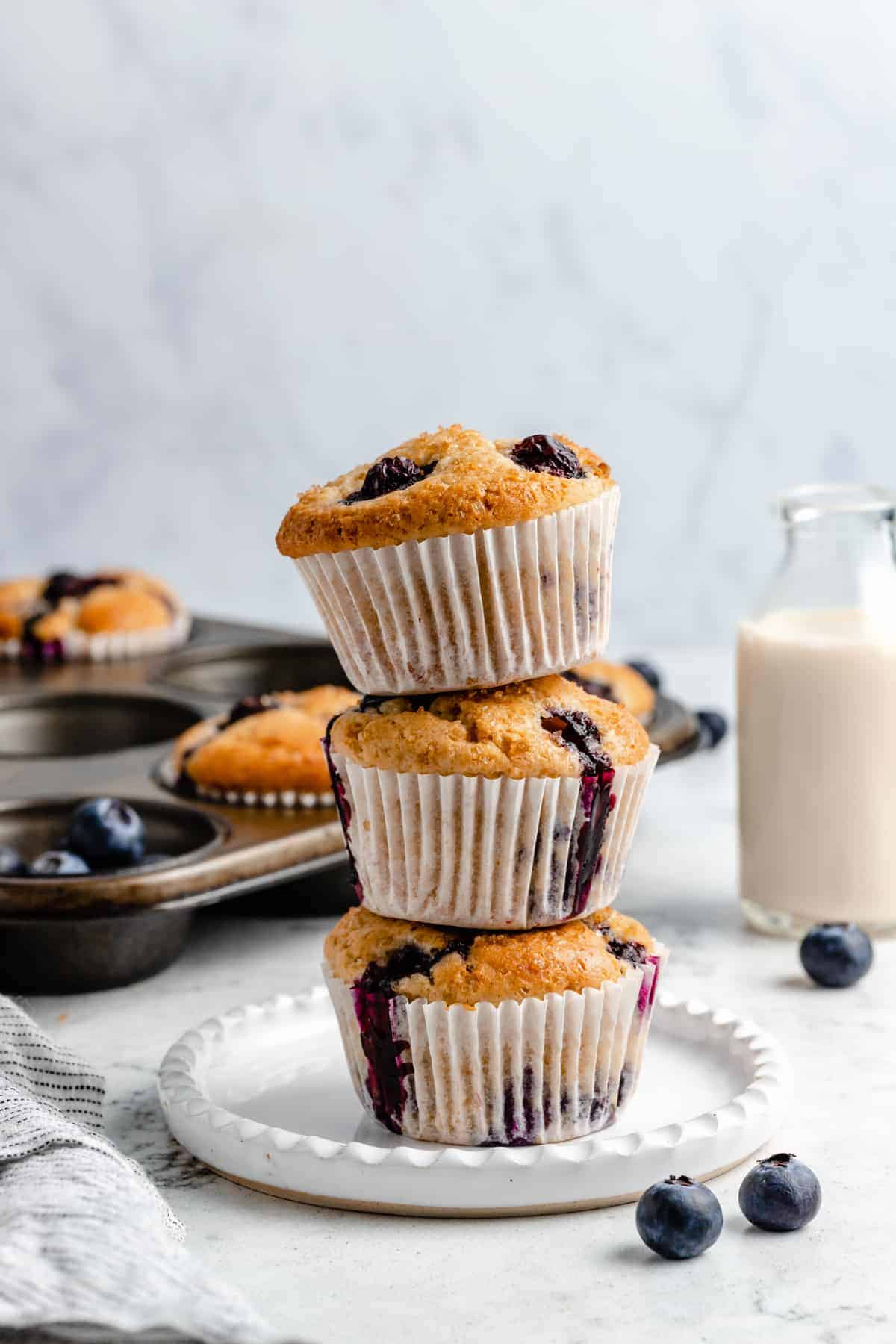
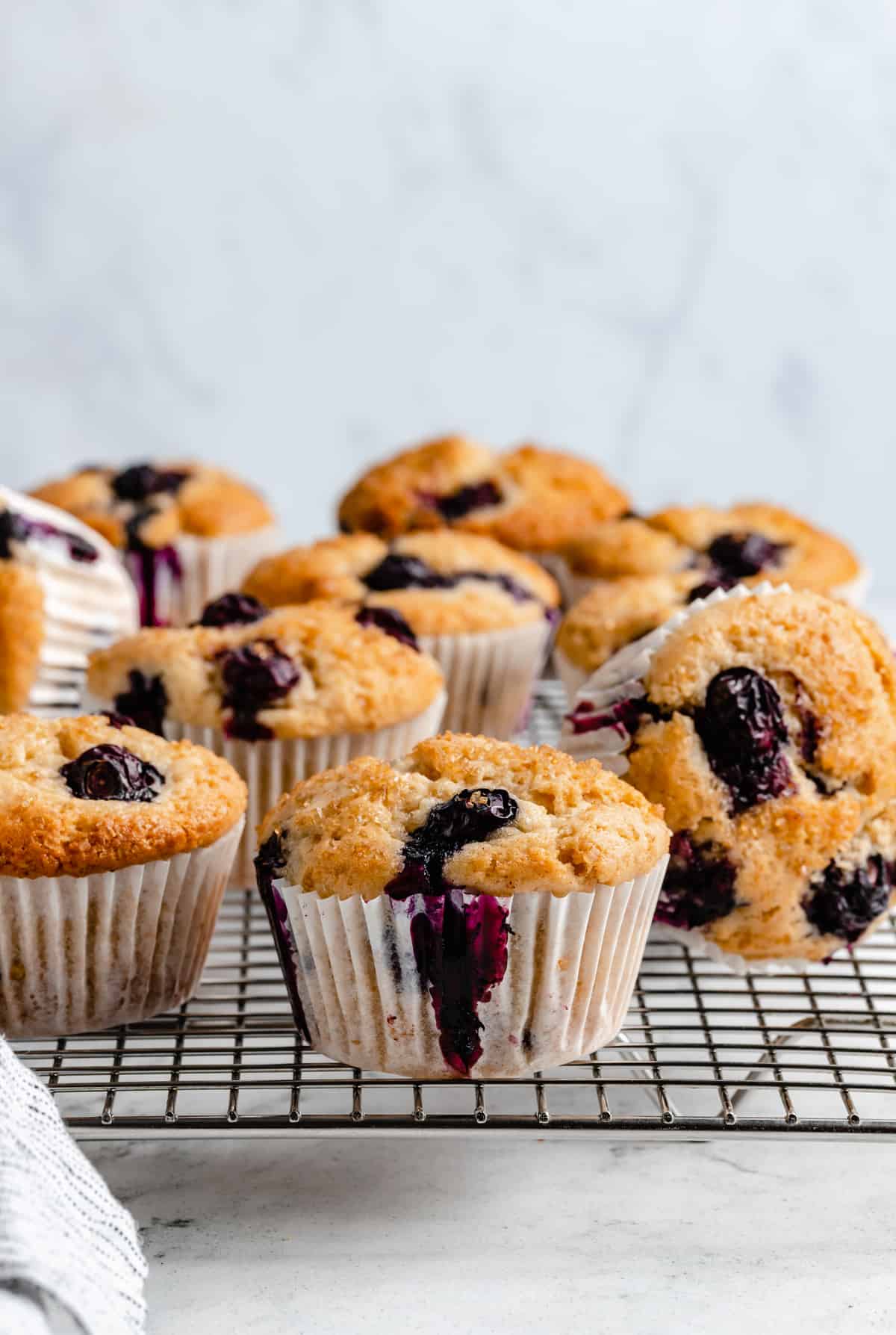
Cassava flour has a mild taste and light texture, so it can be used in place of wheat flour in many recipes—it’s one of the rare gluten-free flours that can be used as a wheat flour substitute on its own, without mixing in any additional ingredients. Cassava flour is perfect for pancakes, waffles, cakes, cookies and other baked goods—keep reading for my gluten-free blueberry muffin recipe! It can also be used to thicken soups or sauces instead of traditional white flour.
My Top Tips for Using Cassava Flour
Now that you know what cassava flour is, here are some more pointers to help you get started with this stellar gluten-free flour option:
Gluten-Free Blueberry Muffins
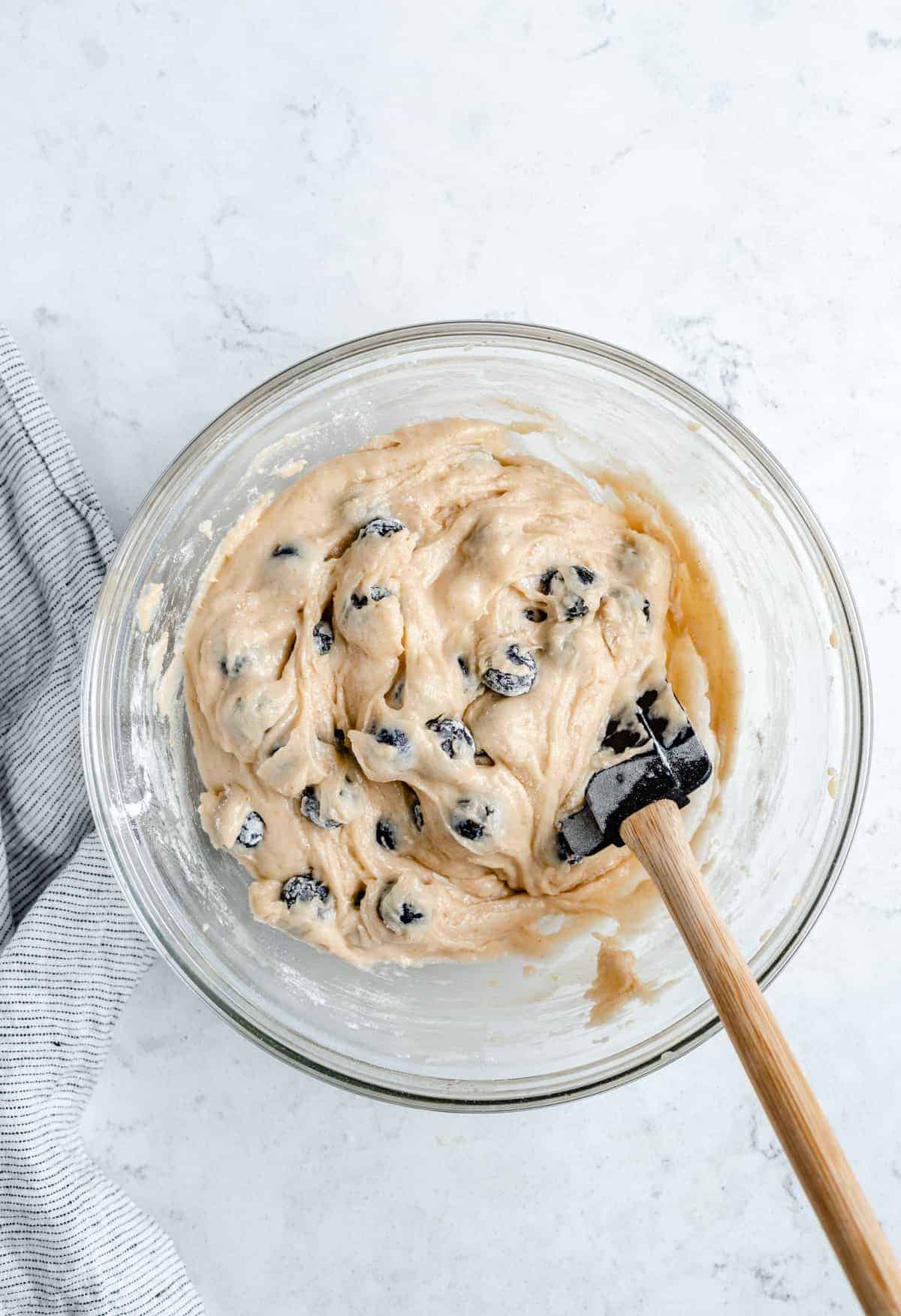
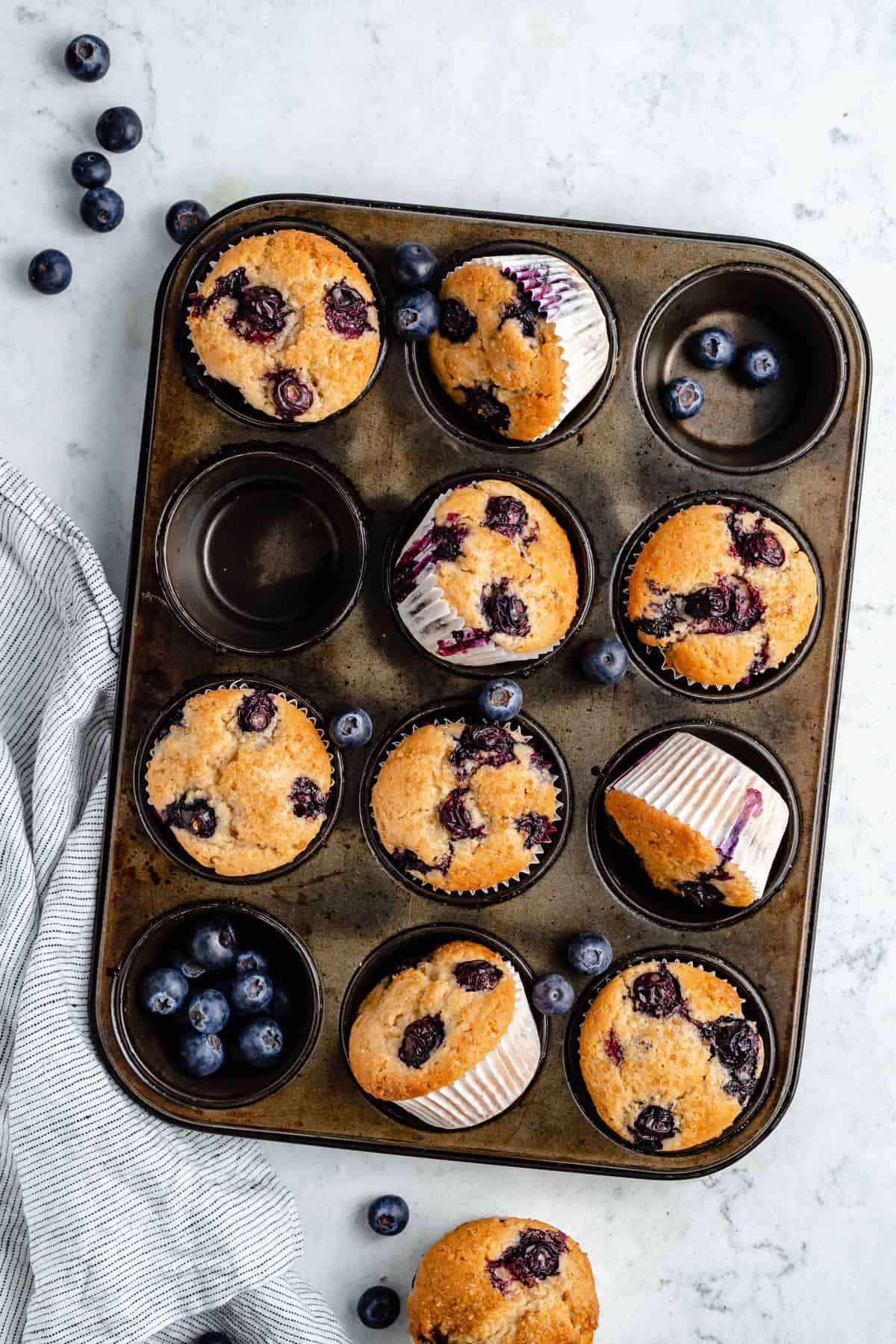
Ready to get started? Try this blueberry muffin recipe, a gluten-free version of my vegan blueberry muffins!
More Cooking and Baking Guides
How To Cook Tofu 101 + Best Tips on Making the Most Delicious Tofu How to Make Vegan Parmesan Cheese Is Yeast Vegan? How To Make A Flax Egg (2 Ingredients) Guide